Pain in an emergency situation does not act politely. It arrives loud, often split, and formed by shock, anxiety, environment, and physiology. Managing it well is more than generosity. It is clinical necessity. Under-treated discomfort drives tachycardia, high blood pressure, breathing compromise, and can amaze assessment. The PUAEME008 Give pain management system establishes a functional standard for out-of-hospital -responders, occasion medics, and medical support team who are anticipated to supply safe, prompt analgesia within extent. This write-up distills the real-world lessons behind that proficiency, with examples from the roadway and the resus bay, and guidance relevant to any person taking into consideration a pain administration program or certification.
What PUAEME008 covers and why it matters
PUAEME008 give discomfort administration is a nationally identified system of expertise in Australia that prepares -responders to assess pain, carry out accepted analgesics under scientific administration, display individuals, and rise when needed. The emphasis gets on fast, structured analysis, secure medication choice, and cautious observation, all while working within local protocols.
It matches first responder and pre-hospital structures by concentrating on analgesic alternatives that are functional in the field. Graduates of a discomfort monitoring certification course built around PUAEME008 should be able to supply breathed in methoxyflurane, intranasal fentanyl or comparable agents where accredited, and non-pharmacological methods, while documenting and communicating clearly to obtaining teams. For nurses and physio therapists operating in remote facilities, sporting activities medication, or occasion coverage, the same concepts apply, and lots of discomfort monitoring training courses integrate this unit into wider ability sets.
A quick scene from practice
New Year's Day at a seaside event, a 28-year-old with a visibly warped wrist sits pale and trembling. The triage tent is humming. He rates his pain 9 out of 10, but he is hyperventilating, weeping, and negating himself. We instructor breathing, splint the arm, and offer methoxyflurane. 10 minutes later, his respirations are calmer, the hand is cozy with an apparent radial pulse, and he can address inquiries. pain management certificate course By the time transportation shows up, we have a significant neurovascular evaluation and tidy documentation. Marginal equipment, major difference.
The factor is straightforward. Non-pharmacological measures, coupled with a rapid, protocol-driven analgesic, transformed the assessment window. PUAEME008 defines that series and lowers the irregularity that comes from improvisation.
Assessment initially, always
The finest analgesic choice experiences on an excellent assessment. In emergency situation pain management, the evaluation is quick yet not surface. I such as to anchor it around three elements.
First, define the discomfort. Onset, location, radiation, top quality, and aggravating elements guide both medical diagnosis and analgesic selection. Abrupt tearing neck and back pain with hypotension is not a chance for enthusiastic application; it is an aortic catastrophe till tested otherwise. Scattered stomach discomfort with securing needs caution with opioids that might shadow the image before surgical review.
Second, quantify and contextualize extent. A numerical score range serves, yet it is not the whole tale. Try to find face grimace, protective stances, sweat, tachycardia, and the speed of speech. A calm contractor claiming "perhaps a 5" while white-knuckling their thigh is worthy of respectful apprehension. Conversely, a very meaningful individual can report a 10 yet reveal kicked back respirations and normal crucial indications. Use both reported and observed indications, and repeat after interventions.
Third, screen for warnings and contraindications. Anticoagulant use in head injury increases the risks. Bronchial asthma changes the discussion about NSAIDs. Background of opioid level of sensitivity, recent sedatives or alcohol, and kidney impairment are not afterthoughts. Quick checks like blood sugar can reframe agitation from pain to hypoglycemia. For any type of pain administration qualification course, these choice points inhabit a lot of time since they are where client safety is won.
Weighing non-pharmacological strategies
A -responder that thinks only in milligrams misses out on half the tool kit. Stabilization, confidence, and fundamental strategies can drop the pain rating by 2 or 3 points prior to a drug touches the blood stream. Hands-on experience does the convincing.
Immobilization is king for bone and joint injuries. Support the joint over and below, extra padding bony prestiges, and avoid over-tight bandaging that endangers perfusion. Positioning issues for rib fractures and flail sections; semi-upright with mild assistance can reduce splinting and tiredness. For burns, get rid of the resource, cool the area with tepid running water if within the initial 20 mins, then safeguard from air motion which enhances pain.
Cold and heat have their area. Acute soft tissue injuries commonly resolve with ice bag wrapped, used basically cycles. Chronic spasm could loosen up with heat, but in intense injury, warm can enhance blood loss. Choose deliberately and record your rationale.
Coaching breathing and focus is not fluff. Slow-moving diaphragmatic breathing slows the free tornado, and a calm voice can anchor a panicked client sufficient to permit IV positioning or splinting. In my experience, 60 to 90 seconds of concentrated breathing guideline while preparing an analgesic buys far better end results and less adverse events. PUAEME008 identifies these steps, and excellent discomfort monitoring programs bake practice into scenarios.
Choosing the ideal analgesic in the field
Selection is a balance of onset, effectiveness, path, and negative effects profile, constrained by extent and method. The usual agents in pre-hospital settings have individuality quirks you learn to respect.
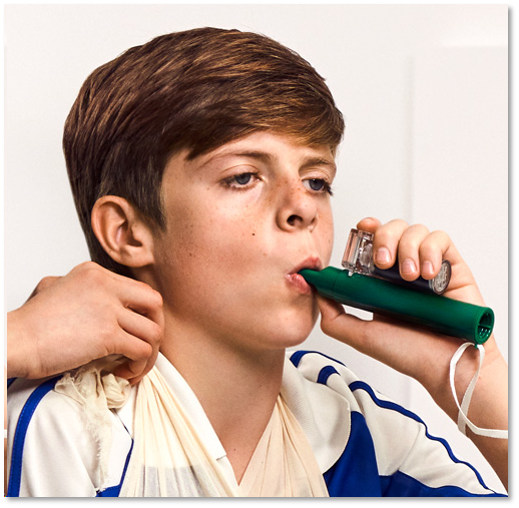
Methoxyflurane, a breathed in analgesic delivered via a portable tool, is quick to deploy and extremely titratable. It radiates for modest trauma pain, dislocations, and fractures during motion or splinting. Beginning is quick, within a few breaths. Side effects include lightheadedness and occasionally queasiness. Total dosage limits matter due to historical nephrotoxicity problems at anesthesia-level direct exposures. Modern low-dose analgesic use pain management certification is thought about risk-free when adhering to producer limitations and regional standards. Keep the tool in the patient's hand when feasible so it slopes if they end up being sluggish. In warm settings or when dehydration is thought, remain conscious and hydrate where appropriate.
Intranasal fentanyl supplies fast beginning without IV access. It pairs well with serious pain when IVs are not possible, like in combative head injury patients or paediatrics. Watch breathing price and mental standing very closely. Dosing mistakes across nostrils happen when the mucosa is clogged or blood loss. Divide the dose, enable absorption, and reassess before providing much more. Stay clear of piling several sedating agents.
Intravenous morphine and fentanyl stay staples where extent allows. Morphine's hemodynamic effects can be unwanted in hypotension. Fentanyl is cleaner in that regard, but its potency demands accuracy and tracking. I have seen extra adverse events from haste than from the medications themselves. Slower, smaller sized increments with review will certainly almost always beat a large in advance dose.
Ketamine, where permitted, is a powerful ally for extreme trauma pain and patients who can not endure opioids. At analgesic-dose varies it protects airway reflexes and spontaneous breathing. Expect dysphoria or emergence reactions periodically. A silent, one-to-one discussion throughout management usually stops distress. Avoid in presumed psychosis unless benefits highly outweigh threats, and follow your governance to the letter.
Non-opioids are worthy of focus. Intravenous paracetamol is underrated for modest pain and as an opioid-sparing adjunct; onset is not immediate, yet it smooths the contour. NSAIDs can assist with kidney colic or bone and joint discomfort provided there is no kidney impairment, peptic ulcer disease, or anticoagulant risk. In dehydration, skip the NSAID.
Monitoring that stops trouble
Analgesia without observation is betting. Constant or regular surveillance is the backbone of secure practice.
Respiratory price and top quality beat a single SpO2 number. A tranquil 14 breaths per minute with excellent breast rise informs a different tale than an irregular 8 with recurring apneas while the pulse oximeter still shows 96 percent. Capnography, if readily available, is exceptional for very early detection of hypoventilation after opioids. For intranasal fentanyl and IV opioids, repeat assessments every couple of minutes beforehand, after that tip the regularity down once the trend is steady.
Look beyond oxygenation. High blood pressure can drift with morphine. Heart price often falls as pain settles, not always due to adverse effects. Pupils, level of sedation, and the individual's capacity to answer a complete sentence tell you whether the dose was right. Repeat discomfort ratings, yes, however likewise note function: can they move position, bend the knee, cough more comfortably?
Good discomfort management training courses drill the cycle of dosage, wait, reassess, record. On shift, that rhythm saves air passages and maintains teams confident.
Special populations where judgment matters
Paediatrics tends to frighten up until you have a few success. Children really feel safer with a moms and dad physically present. Intranasal routes lessen trauma. Application by weight seems noticeable but is where mistakes prowl. Use color-coded help or electronic calculators if offered. Observe carefully for paradoxical responses, especially with ketamine or benzodiazepines if your procedure includes them. For burns or cracks, distraction is not a bonus offer technique, it is essential.
Elderly individuals are extra conscious respiratory system downers and more likely to have comorbidities. Begin reduced, go slow-moving, and inspect renal function if known before reaching for NSAIDs. Watch for ecstasy precipitated by pain, opioids, or the atmosphere. A peaceful edge, glasses and hearing aids in place, and clear, low-pace descriptions can cut in half the confusion.
Pregnancy increases the stakes. Setting left side to prevent vena cava compression when possible. Avoid NSAIDs in late pregnancy unless guided by a physician. Opioids might be required; titrate with care and include sophisticated care early. Methoxyflurane usage in pregnancy ought to adhere to local plan and risk-benefit discussion.
Patients with chronic opioid therapy need customized strategies. Their standard tolerance typically requires greater dosages, however tolerance is not resistance to breathing anxiety. Aim for feature and alleviation, not total removal of discomfort. Where possible, verify their normal regimen and take into consideration ketamine or regional options if offered within scope.

Speaking to extent and governance
The finest medical professionals exercise well within their lane and bring aid early when the road flexes. PUAEME008 is specific concerning functioning under clinical governance, local protocols, and medical instructions. That means you may be educated on a series of representatives however authorized for a subset in your service. It additionally indicates careful documents, communication with dispatch and receiving groups, and incident coverage when near-misses occur.
A great provide discomfort administration program spends time on practical management, but an impressive one makes you fluent in rise. If you can not manage pain within your formulary, if crucial signs drift, or if warnings emerge, you call for greater care. It is not a failing. It is the safeguard working.
When pain obscures diagnosis
Emergency medical professionals stroll a line in between gentle analgesia and analysis quality. The worry of "covering up" can lead to undertreatment. Evidence and experience show that ideal analgesia boosts examination high quality in many cases. You can palpate a tender abdomen more effectively when securing lowers. You can take a better background from a person who is not panting with every word.
There are exemptions where the picture can shift. Unusual hypotension combined with extreme pain requires mindful titration and urgent transportation, not duplicated application on scene. Suspected compartment disorder needs regular neurovascular checks and cautious analgesic usage immediately medical review. For head injuries with modified psychological condition, prioritize airway and neurologic surveillance; offer analgesia, but maintain dosages conservative and see students and air flow closely.
Documentation that informs the story
Pain management is as a lot an interaction job as a pharmacological one. Write what you saw, what you did, and what altered. Detail the standard discomfort features, the very first measured vitals, the chosen treatment with dose, course, and time, and succeeding reassessments. Keep in mind adverse results, the client's reported alleviation, and functional renovations. For handover, a clean arc of events constructs trust and ensures connection. In many services, pain monitoring qualification anticipates you to demonstrate this circulation in scenarios and composed assessments.
Building capability: training that sticks
Short courses in pain management differ. When taking into consideration a discomfort management certificate or a pain administration certification course, look past the sales brochure. Seek programs that include scenario-based exercise with moulage, reasonable time stress, and role-played communication challenges. The most effective training enhances decision trees for common presentations, such as isolated limb injury, rib cracks with respiratory system splinting, renal colic, burns, and intense back spasm. It must show you to set up equipment one-handed, prime gadgets in the dark, and calibrate your dosages while somebody is yelling for help.

For registered nurses and physio therapists branching into event medication, remote facilities, or sports insurance coverage, pain administration training for registered nurses and pain administration programs for physio therapists must integrate interprofessional interaction and recommendation patterns. Knowing when to quit and intensify is as important as knowing just how to start.
Practical tips that typically make their keep
- Prepare before you touch the client. Prepare, check dosages, and set tracking so the intervention really feels smooth and fast. Use the individual's breath as your metronome. Coach slow-moving inhalations with methoxyflurane and observe the pattern for signs of distress or sedation. Pair every pharmacological action with a physical one. Splint during beginning, rearrange during peak impact, safe throughout transport. Watch the 2nd minute after dosing. Unfavorable breathing fads commonly reveal very early and subtly. Make your review visible. Claim the pain rating out loud, repeat the neurovascular check in the exact same order, and reveal your partner the numbers.
These practices shorten scene times without hurrying and make teams natural. Discomfort administration training courses that drill these micro-skills produce calmer clinicians.
Controlling nausea or vomiting, itching, and opposite side effects
Antiemetics have a place when opioids or unpredictable anesthetics cause queasiness. If your protocol consists of ondansetron or metoclopramide, provide it early when history recommends high danger. Bear in mind liquid status and avoid straining fragile people. For pruritus after opioids, reassurance and time often are sufficient in the field; antihistamines are not constantly indicated and can sedate unnecessarily. Constantly balance signs and symptom therapy against the total sedative load.
Regional and progressed options
Many out-of-hospital companies do not carry out nerve blocks, however some sophisticated teams and remote medical professionals do. Femoral nerve blocks for hip fractures can change treatment. If your range includes them, appreciate the preparation: clean and sterile strategy, ultrasound where feasible, and mindful application. When unavailable, a well-applied grip splint and systemic analgesia remain efficient. For rib cracks, dedicated splinting and targeted breathing training can decrease the demand for high opioid dosages. Regional choices are worth recognizing also if you can not perform them; they affect your handover and your pre-transport plan.
The emotional layer
Pain is never ever purely physical. Trauma scenes come with worry, regret, and sometimes pity. A few sentences of validation lower enduring in measurable ways. "Your leg is damaged. The discomfort you really feel makes good sense. We are offering you medicine that functions swiftly. You are safe today." This is not bedside fluff. It reduces catecholamines, improves participation, and reduces the dose you require. For individuals with a background of substance usage, a neutral, respectful tone prevents preconception. Record neutrally and focus on the physiology and response.
Learning from mistakes without making them twice
Every experienced medical professional can recall a time they under-treated out of care, or piled representatives also quickly under stress. The remedy is deliberate technique and debrief. After a tough instance, ask three inquiries. What did we observe late? Where did we rush? What would we change with the same restraints? Motivate your group to keep a brief representation log. Over a year, those notes construct a personal certification training course suffering management better than any type of class handout.
Choosing the right program pathway
If you are taking into consideration formal training, match the deal to your duty. For occasion medics and first -responders, a supply discomfort monitoring training course straightened to PUAEME008 will concentrate on inhaled and intranasal alternatives, scenario drills, and documents. For clinicians going after a more comprehensive pain management certification, seek programs that include acute and chronic frameworks, pharmacology refreshers, and lawful aspects of providing Schedule 8 medicines within your jurisdiction.
Pain management programs for registered nurses that operate in emergency situation departments or urgent treatment should emphasize triage analgesia, fast-track paths for fractures, and paediatric dosing, as well as protocolized antiemetic use and escalation. Discomfort monitoring programs for physiotherapists might incorporate severe injury inflection techniques, taping and bracing throughout the acute home window, and collaboration with prescribers for mixed techniques. Brief courses in pain administration can be powerful if they are practical, hands-on, and come with follow-up method or assessments.
Logistics that keep kits ready
Good analgesia fails when the canister is vacant or the atomizer is missing. Build a checklist society. For teams covering events, supply one secured discomfort package per responder and one get in the command message. Turn short-expiry items to professional bases prior to they pass their days. Maintain written dose graphes laminated, not buried in a phone with a dead battery. Label atomizers and syringes by quantity delivered per milliliter to lower head math. For methoxyflurane, store devices out of direct sun and enlighten personnel on filter modifications and gadget disposal.
Working legally and ethics
Administering anesthetics in the field involves legal obligations. Follow your solution's authorization matrix for Arrange 2, 3, 4, or 8 medicines. Safe and secure storage, temperature level controls where needed, and documents of wastefulness are non-negotiable. Consent matters even hurting. In the gently overwhelmed individual who withstands, concentrate on non-pharmacological procedures and transport. For minors, seek guardian permission when practical; in emergency situations, implied approval uses, however connect your activities plainly and early.
Ethically, treat discomfort equitably. Older adults, individuals with communication obstacles, and those with mental health histories go to threat of under-treatment. Structured evaluations close the space. At the exact same time, be wise with repeat calls from acquainted addresses. Treat the instant trouble, look for red flags, and collaborate with broader care networks instead of wandering right into unsupervised persistent pain management.
Bringing everything with each other on a busy shift
Picture a two-hour stretch on a Saturday: a wrist fracture at a football ground, a kidney colic contact us to a tiny level, and a bicyclist with rib fractures after a low-speed bus experience. Three various pains, 3 various state of minds. The very first obtains methoxyflurane, a calming presence, and a thoughtful splint. The second benefits from intranasal fentanyl after mentoring and hydration guidance, with a prepare for ED imaging. The 3rd requirements mindful breathing analysis, step-by-step fentanyl with capnography, a cushion support to cough, and directions to deep breathe every couple of minutes on the way in. Each case utilizes the same map: evaluate, pick, provide, check, reassess, document, and hand over. The information vary. The technique does not.
PUAEME008 give pain administration considers that self-control an usual language across services. For teams that adopt it, brand-new personnel sign up with a discussion currently underway. The device will certainly not replace clinical judgment, but it will certainly sharpen it, particularly under pressure.
Final ideas for clinicians thinking about training
If you bring duty for individuals in acute pain, purchase organized training. A pain monitoring certificate rooted in practical scenarios will increase your ceiling and your floor. Select a service provider that appreciates your extent and context, whether you are an initial responder, a nurse in a country immediate treatment center, or a physiotherapist covering an exclusive sporting activities meet. Anticipate to practice until the series feels like muscle mass memory. Expect responses that hurts a little. Expect fewer bad shifts and better handovers.
Pain is unavoidable. Suffering is not. With disciplined evaluation, practical strategies, and the appropriate education, you can raise individuals out of the panic and into an area where diagnostics, transportation, and healing proceed efficiently. That is the promise behind high quality discomfort management training and the day-to-day craft of emergency situation care.